Centre for Humanitarian Data
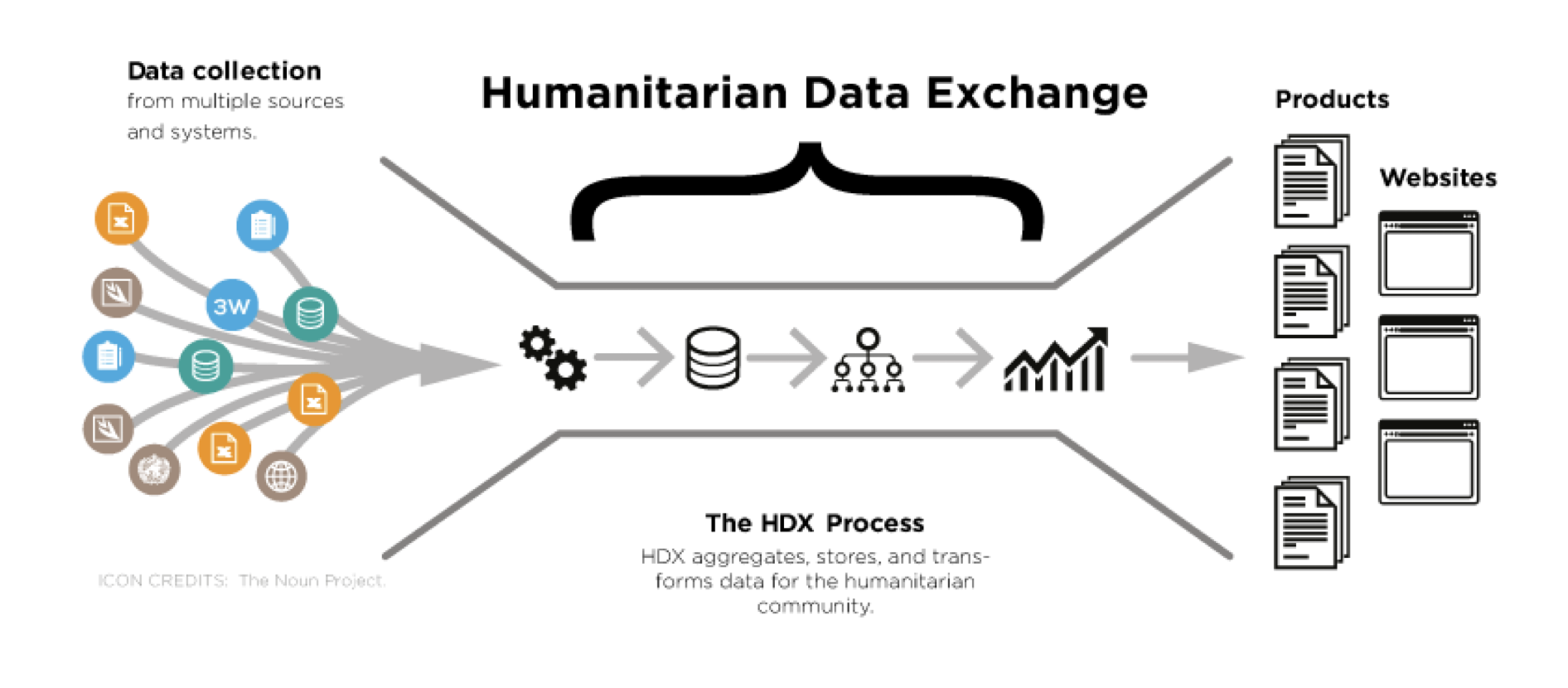
We generated data tool concepts and design priority for UN OCHA’s Humanitarian Data Exchange.
Providing the humanitarian data community with cleaning, synthesizing, and reporting tools increased participation, partnering, and dataset sharing.
Introduction of tools improved the quality and access of collected data, and advanced the narrative of data importance.
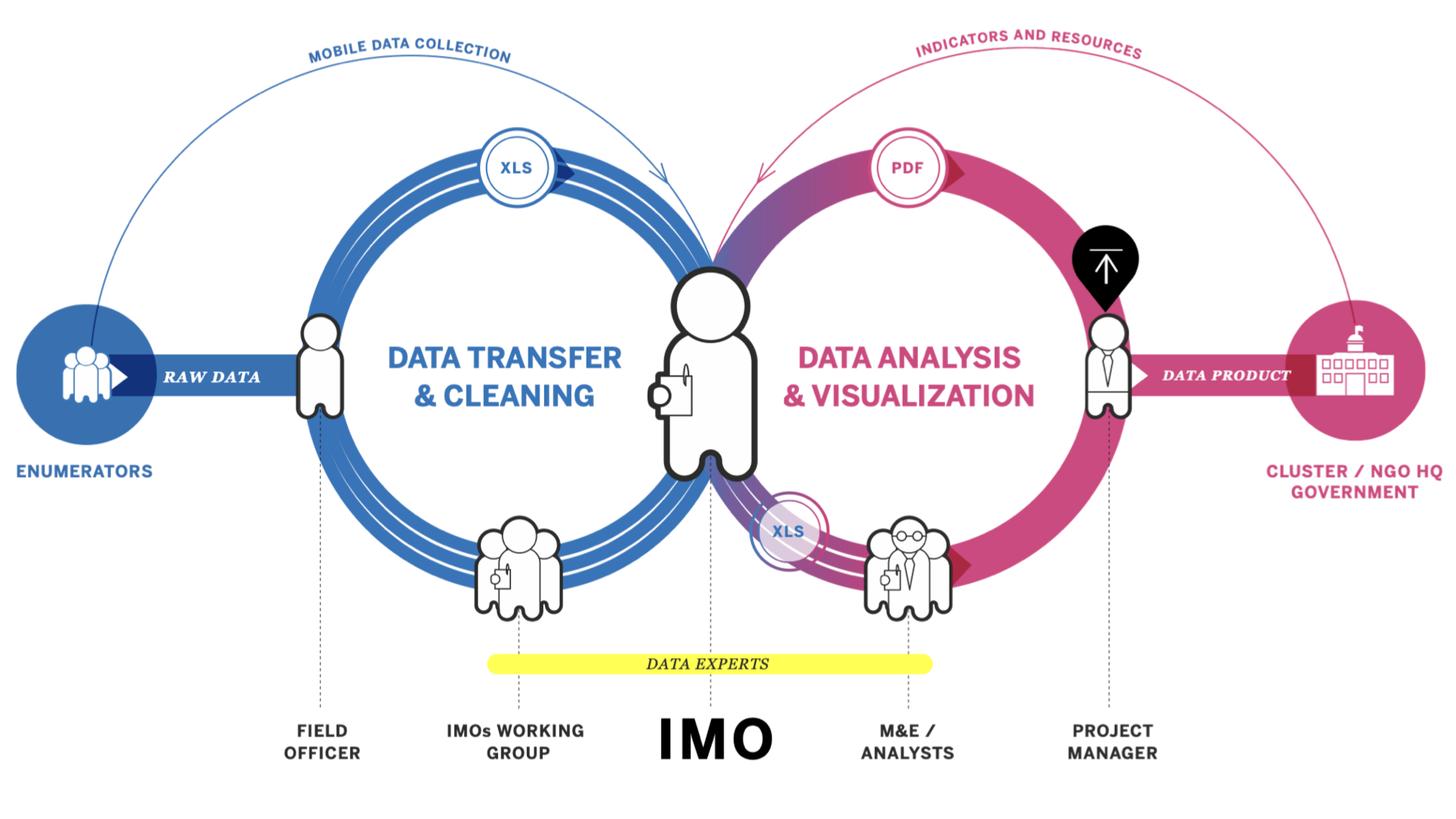
(Ecosystem Map of the data collection journey)
We partnered with design and data staff within the Centre for Humanitarian Data to articulate the lifecycle of data collection and application. Then we ran concept generation sessions to, create, refine, and explain potential new tools.
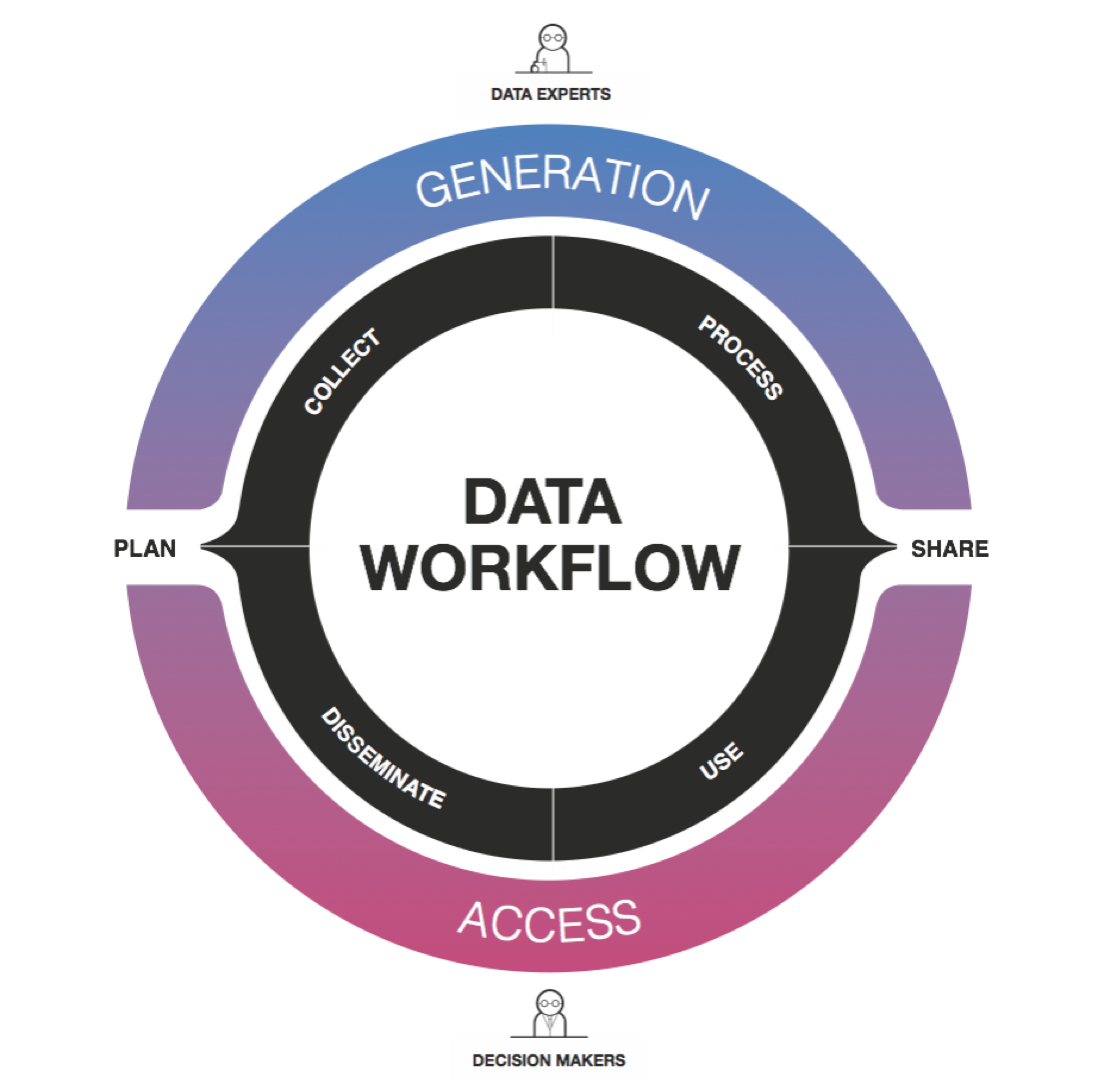
(This illustration identifies the key behaviors and flow of Data Workflow.)
Then we interviewed and surveyed hundreds of data practitioners to identify their goals and needs. Perspectives represented practitioner voices from 67 countries, across 12 organization types and all expertise levels.
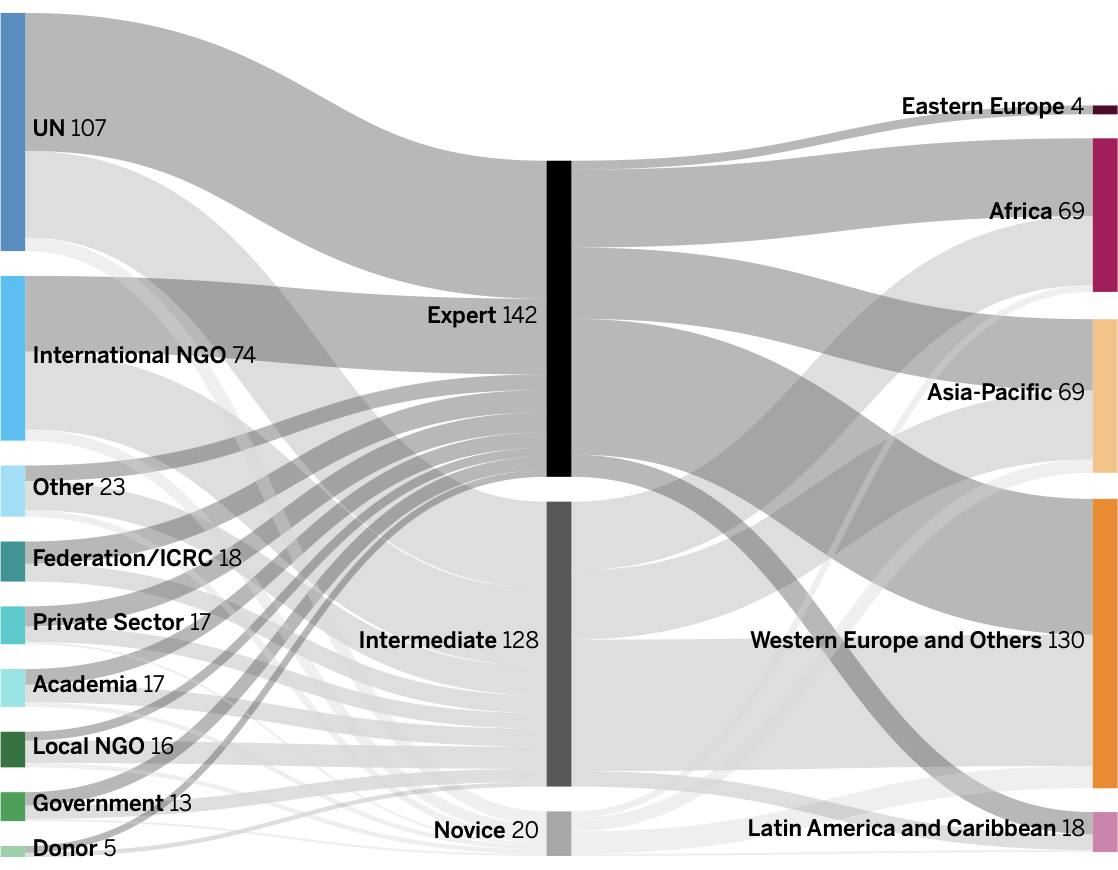
(Our quantitative research surveyed +200 humanitarian data practitioners across organization type, expertise, and global geography.)
Our synthesis identified the priorities and adoption potential of the concepts we created. Rationalized data collection capacity across expertise levels, and around barrier points in the data lifecycle.
As a result, we were able to recommend which tools and behaviors would have the most impact on the work being done. This informed the Centre’s prototype and test priority, and ultimately which tools they would roll out to their organization and partners.
Alexandra Coym
John Leonard
Josh Musick
Sarah Telford
Erika Wei
Yumi Endo
Roberta Tassi
Collaborators
When we talk, remind me to tell you about…
Collecting smarter, not harder
Build for sharing
Points of intervention in the data lifecycle